
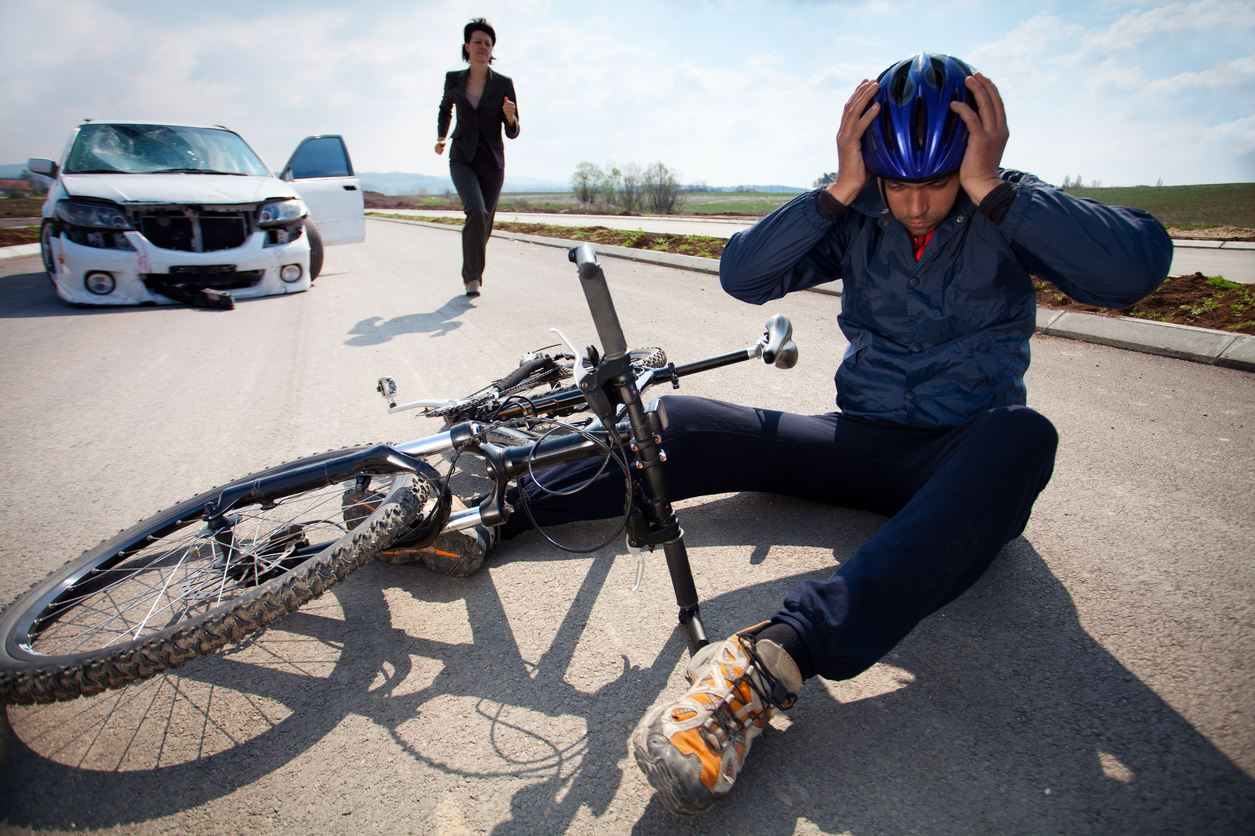
Being the smallest vehicle on the road, knowing cycling safety is very important before riding your bicycle and sharing the road. As a new immigrant in Canada, I did not fully understand the rules of the road at first when it comes to cycling and almost got into an accident because of my lack of knowledge pushing myself to read the rules, watch videos and learned how to be safe when cycling. Many people nowadays use bicycles for transportation, sports and fitness and even just for touring. Before heading to the road, here are some tips to consider for a safe cycling trip:
Know the rules of the road
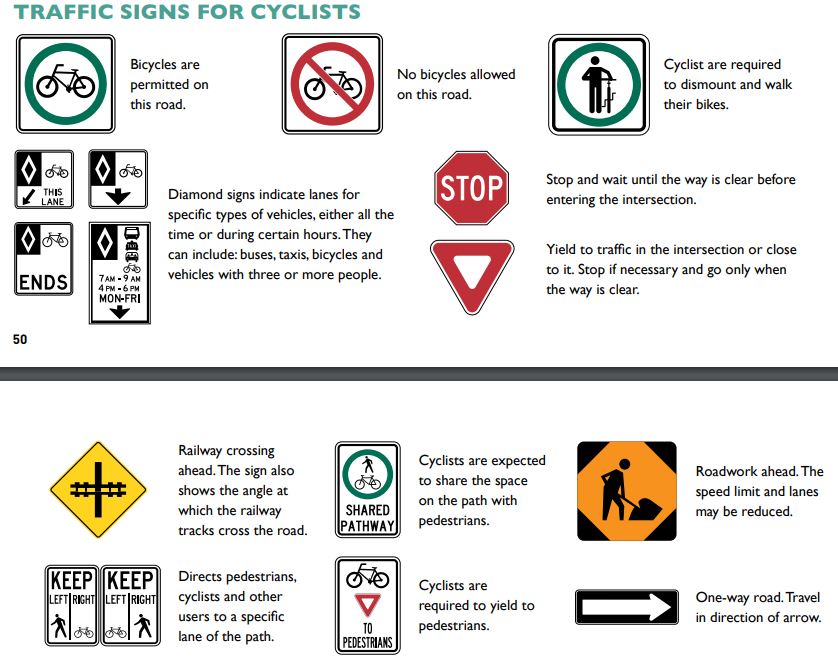
The very first thing you need to know is the laws when it comes to cycling. There are many cycling laws enforced per town, region and province. Obeying traffic rules increases the safety for everyone who shares the road thus knowing these is the most important part of cycling. Cyclists who do not obey the rules of the road in Ontario can be charged and fined depending on the offences.
While using bicycles does not require registration, license plates, insurance and driver’s license, cyclists should share the road and obey the Ontario’s Highway Traffic Act (HTA) just like the other vehicles. Cyclists must obey all traffic laws, has the same responsibilities as drivers and are not allowed to carry passengers when riding a bike designed for one person. If slower than other traffic, bicycles must stay as close on the right edge of the road except when turning left or passing other vehicles. Cyclists cannot ride on highways such as 400 series, QEW and on other roads with “No Bicycle” signs.
Additional information on Bicycle safety can be found at http://www.mto.gov.on.ca/english/safety/pdfs/cycling-skills.pdf
http://www.mto.gov.on.ca/english/safety/pdfs/young-cyclist-guide.pdf
Prepare Bicycle Equipment
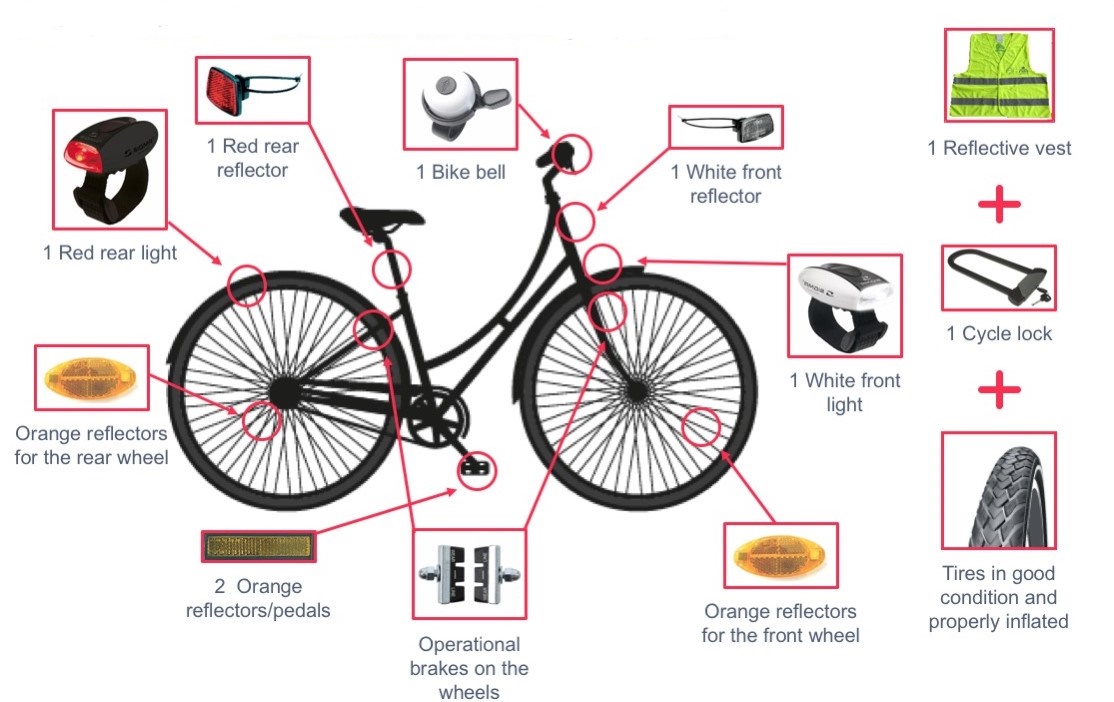
Now that you know the traffic rules, it’s time to gear up and prepare your bike for safety. Here are the lists to keep in mind for you and your bicycle to be fully ready on the road.
- Approved Cycling Helmet – While it is strongly recommended for all cyclists to wear a helmet, cyclists under the age of 18 is required to wear an approved helmet and parents or guardians shall not permit cyclists under the age of 18 to ride without one.
- High quality lock – When commuting for work or leisure time, there are times that you need to park your bike to go to work or to take a break. One of the equipment you need is a high quality bike lock such as brands of Kryptolock and Abus to protect your bike. Although these locks cost more, you will have a peace or mind knowing your bike will be there for your next trip.
- Bike Lights – This is important especially when you are riding at night. You always need to be visible to other drivers and it is required to have a white light at the front and a red light at the back. Other colors of lights are prohibited under the Highway Traffic Act. You need to turn on your lights within half an hour before sunset and half an hour after sunrise.
- Brakes – You should always have your bikes maintained especially checking and replacing the brakes whenever you need to. It is required in Ontario to have at least one baking system working although it is better if you have front and back working brakes for your safety.
5. Bottle Cage – Cycling especially in summer can be tiring and may lead to dehydration if you are not consuming water frequently. It is advisable to consume a bottle of water (or more) every 20 minutes to be properly hydrated when cycling. Most bikes have attachment on its frames where you can put your bottle cage and water bottle. You can also buy a hydration backpack when going for mountain biking for convenience. Remember, drink up and stay hydrated!
Defensive Cycling
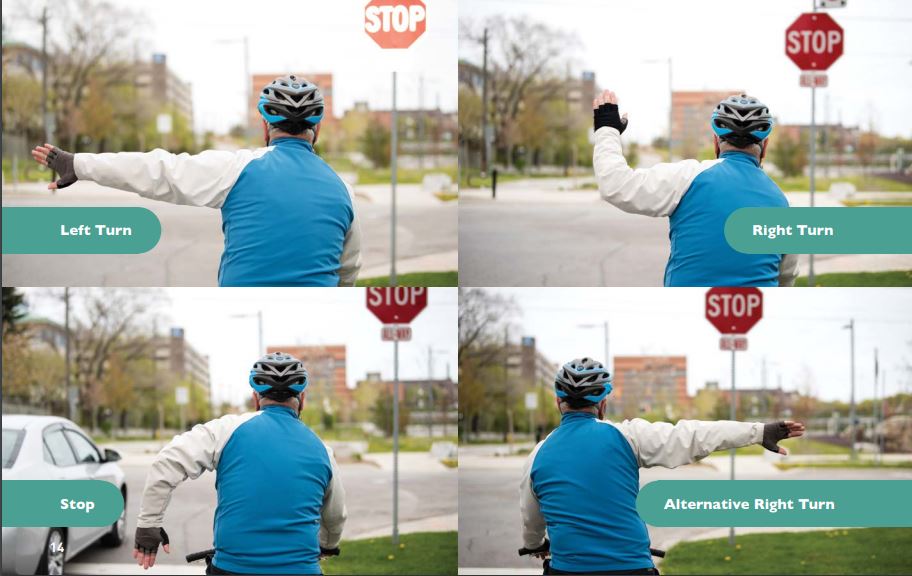
It is important to have knowledge on how to be ready and safe when cycling. Some of the tips are also known in defensive driving such as doing shoulder check frequently especially when changing lanes, Giving the correct signals for communication and even use bell or voice to communicate with everyone who you share the road with, the same rules in positions and when in intersection also applies to cyclists where they need to stay on the right side of the road unless passing or turning left and no overtaking to the right side. Other tips on being safe on the road are be visible always with the use of reflective clothing and lights, Never stay or go in a vehicle’s blind spot. One tip is if you cannot see the driver’s eyes on the mirror, they probably cannot see you too. Lastly, if you are adult it is against the law to ride on the sidewalk so it is better to practice and remember the roads with bike lanes to plan your trip. You can always watch videos, read articles and ask friends and other cyclist on more tips to be safe when cycling.
Here are some cycling websites I usually visit:
References
Halton Regional Police Service. (2019).Bicycle Safety. Retrieved from https://www.haltonpolice.ca/services/safetysecurity/bikesafety.php
City of Toronto. (2019).Cycling Safety Tips. Retrieved from https://www.toronto.ca/services-payments/streets-parking-transportation/cycling-in-toronto/safety-and-education/safety-tips/
Town of Oakville.(2019)Cycling Safety. Retrieved from https://www.oakville.ca/residents/cycling-safety.html

 Nicole